Tea Cultivation and Preparation
茶的栽培和制备
- 分类: 发明创造
- ID: 1864947562095439873
Home CategoryInvention and CreationTea Cultivation and PreparationPlay3.5 minsTea cultivation and preparation are integral aspects of Chinese culture, history, and agriculture, with a legacy that dates back thousands of years. Originating in ancient China, tea has evolved from a medicinal herb to a globally consumed beverage, influencing economies, societies, and traditions worldwide.ShareRelated Videos**Living Heritage: Tea 00:02:19Explore together how tea has captivated the world 00:02:27Perfection to a tea 00:13:58An Italian's encounter with tea 00:03:48Living Heritage: Tea 00:02:19Explore together how tea has captivated the world 00:02:27Perfection to a tea 00:13:58An Italian's encounter with tea 00:03:48Catalogue1. Origins and Historical Development2. Cultivation Techniques3. Preparation Methods4. Cultural Significance and Global Influence
Origins and Historical Development
The origins of tea cultivation can be traced to the southwestern regions of China, particularly Yunnan province, where wild tea plants have grown for millennia. According to Chinese legend, Emperor Shen Nong discovered tea around 2737 BC when tea leaves accidentally fell into his boiling water. This serendipitous event marked the beginning of tea's cultural significance.
By the Tang Dynasty (618–907), tea cultivation had become widespread, and its consumption had evolved into a refined art. Lu Yu’s seminal work, The Classic of Tea, written during this period, is the first comprehensive treatise on tea cultivation, preparation, and cultural practices. The Song Dynasty (960–1279) saw further developments, such as the popularization of powdered tea.
Cultivation Techniques
Tea cultivation typically involves selecting regions with suitable climates, including mild temperatures, high humidity, and well-drained acidic soils. Key steps in tea cultivation include:
Planting: Tea plants (Camellia sinensis) are propagated through seeds or cuttings.
Pruning: Regular pruning ensures healthy growth and optimizes leaf production.
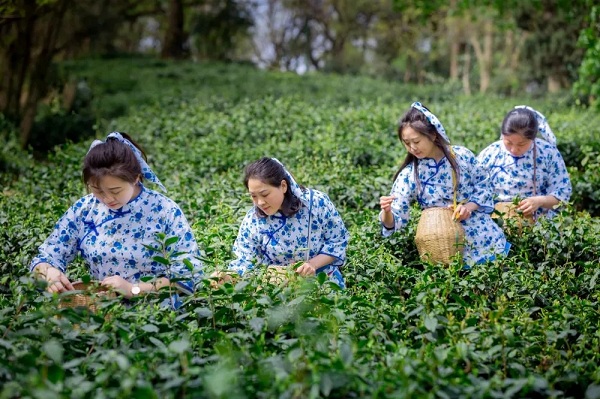
Harvesting: The most valuable teas are often handpicked to select the youngest and most tender leaves or buds.
Terracing: On hilly terrains, terraced planting is used to prevent soil erosion and maximize land use.
Prominent tea-growing regions in China include Yunnan, Fujian, Zhejiang, and Anhui, each producing distinctive varieties of tea, such as pu'er tea, oolong tea, green tea, and black tea.
Preparation Methods
The preparation of tea varies depending on its type and cultural context. Common steps in traditional Chinese tea preparation include:
Withering: Freshly picked leaves are spread out to remove excess moisture.
Rolling: Leaves are rolled to break cell walls and release essential oils.
Oxidation: Depending on the type of tea, leaves are allowed to oxidize to varying degrees.
Firing: Heat is applied to stop oxidation and lock in flavors.
Each type of tea undergoes unique processes. For example, green tea is minimally oxidized and quickly fired, while black tea undergoes full oxidation to develop its robust flavor.
Cultural Significance and Global Influence
Tea holds a central place in Chinese culture. It is a symbol of hospitality, respect, and tradition. The Chinese tea ceremony emphasizes harmony, respect, purity, and tranquility. Regional variations, such as the Gongfu tea ceremony, showcase intricate brewing techniques and the aesthetic presentation of tea.
Today, tea cultivation and preparation continue to thrive globally, with Chinese techniques serving as the foundation for modern tea industries. Varieties such as green tea, white tea, and oolong remain highly prized for their flavor and health benefits, while innovations in tea preparation—such as bubble tea—demonstrate its evolving role in contemporary culture.
Tea remains not just a beverage but a bridge connecting history, culture, and people worldwide.
Photo Gallery(8 pictures)CategoriesInvention and CreationTagFood CultureIntangible Cultural HeritageAncient InventionChinese TeaCatalogue1. Origins and Historical Development2. Cultivation Techniques3. Preparation Methods4. Cultural Significance and Global Influence-
- []








